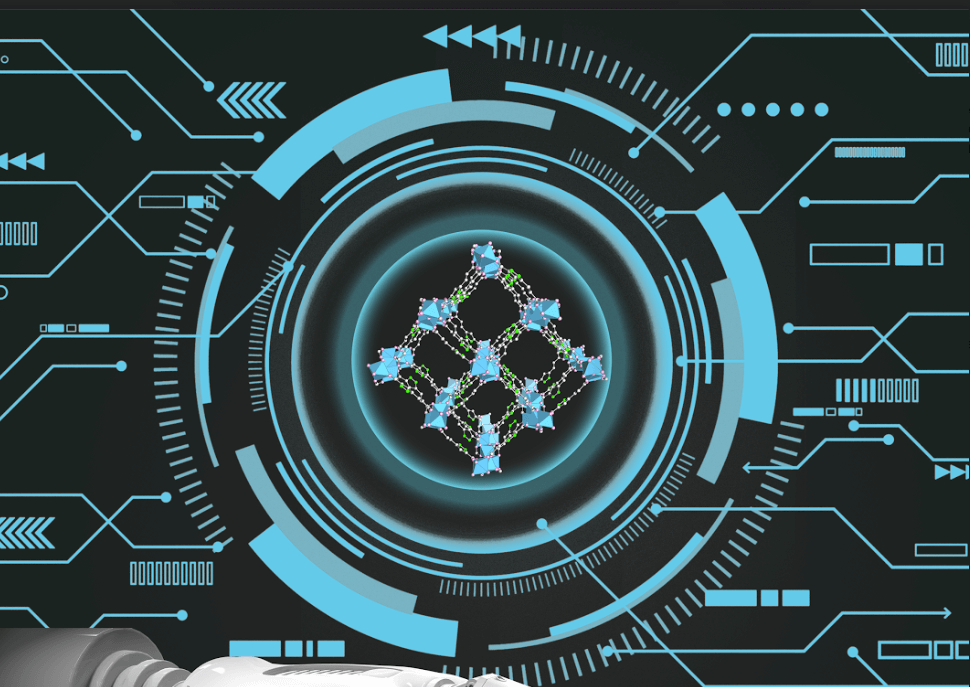
In a groundbreaking scientific article recently published in ACS Central Science, a team of Berkeley researchers unveils the transformative potential of ChatGPT-based assistants in laboratory activities. By integrating a multi-AI system comprising...
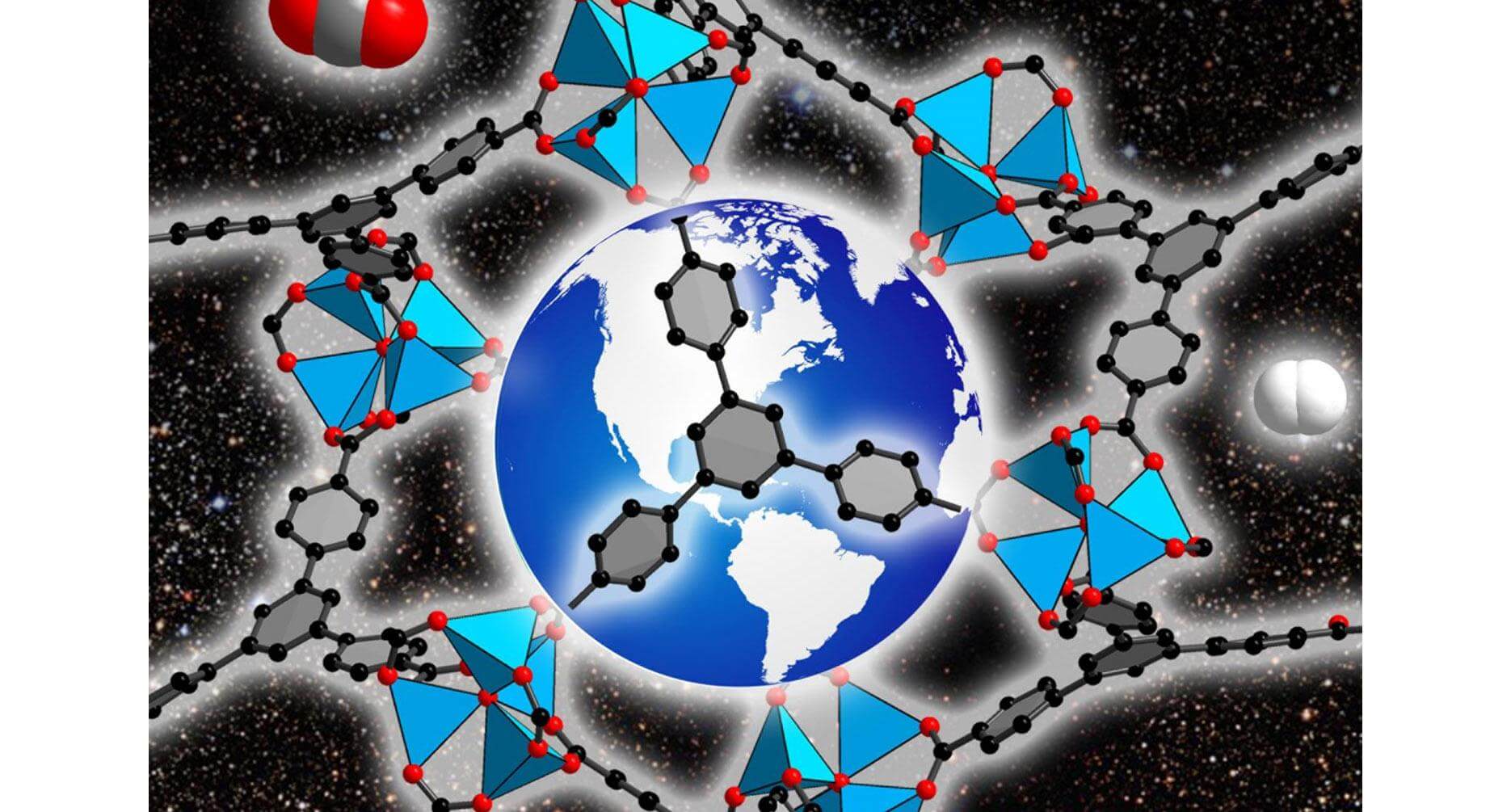
BASF has become the first company to produce metal-organic frameworks (MOFs) on a production scale of several hundred tons per year. MOFs are highly crystalline structures with nanometer-sized pores and a large surface area, which offer a high capacity for the storage of carbon dioxide, the dehumidification...
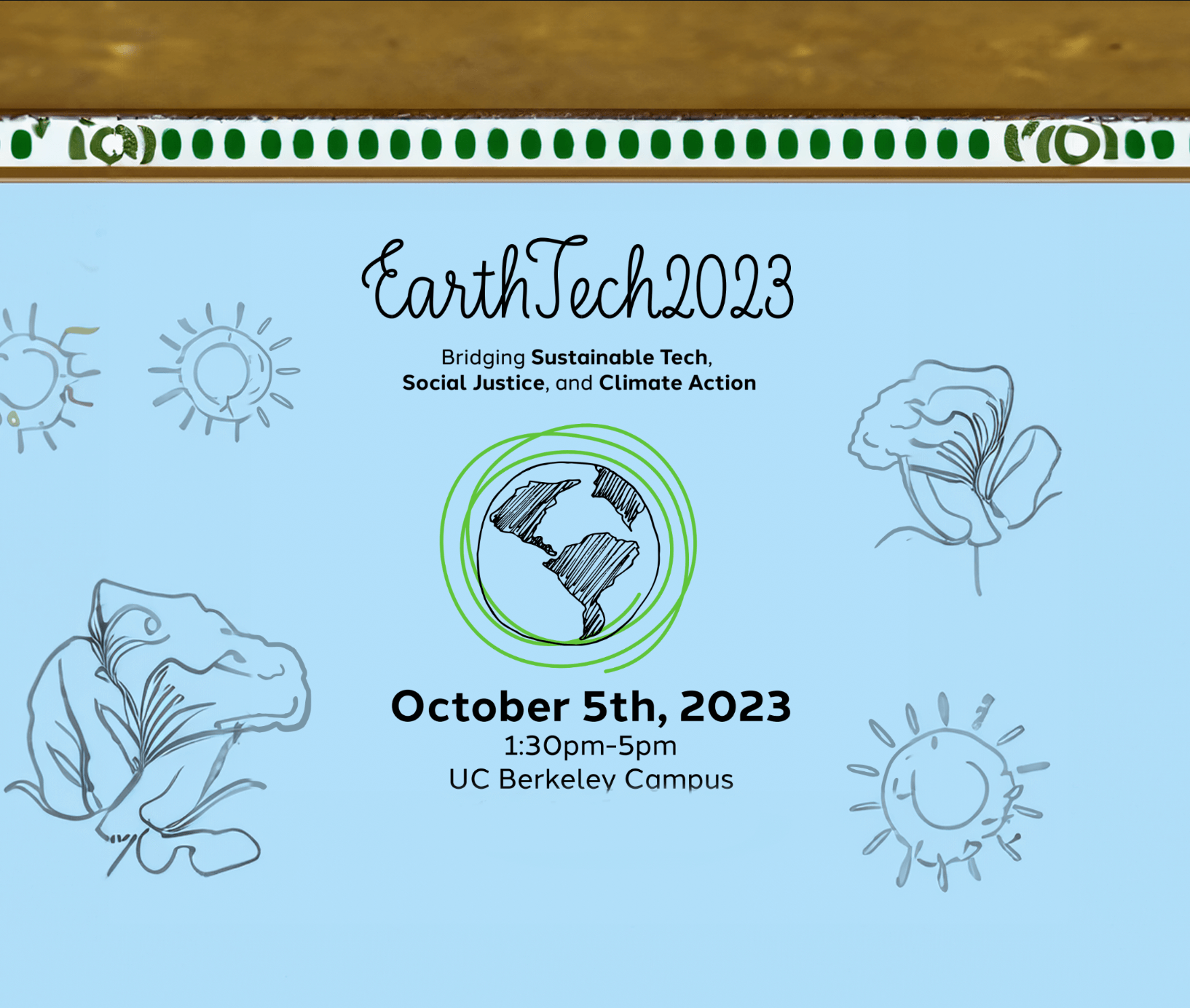
EarthTech2023 is a Symposium organized by the College of Computing, Data
Science, and Society in partnership with the Bakar Institute of
Digital Materials for the Planet at UC Berkeley, with the goal
of bringing together experts and students around campus for an
afternoon of discussion on the role of emerging technologies in
addressing the climate challenge...
In a new paper published in ACS Editors' Choice, ChatGPT was trained by BIDMaP faculty and students via precise prompt engineering to efficiently text mine the academic literature on metal-organic frameworks (MOFS). The resulting "ChatGPT Chemistry Assistant" successfully...
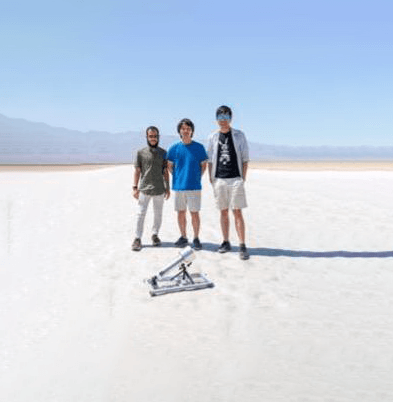
UC Berkeley researchers have designed an extreme-weather proven, hand-held device that can extract and convert water molecules from the air into drinkable water using only ambient sunlight as its energy source, a study published in Nature Water today shows...
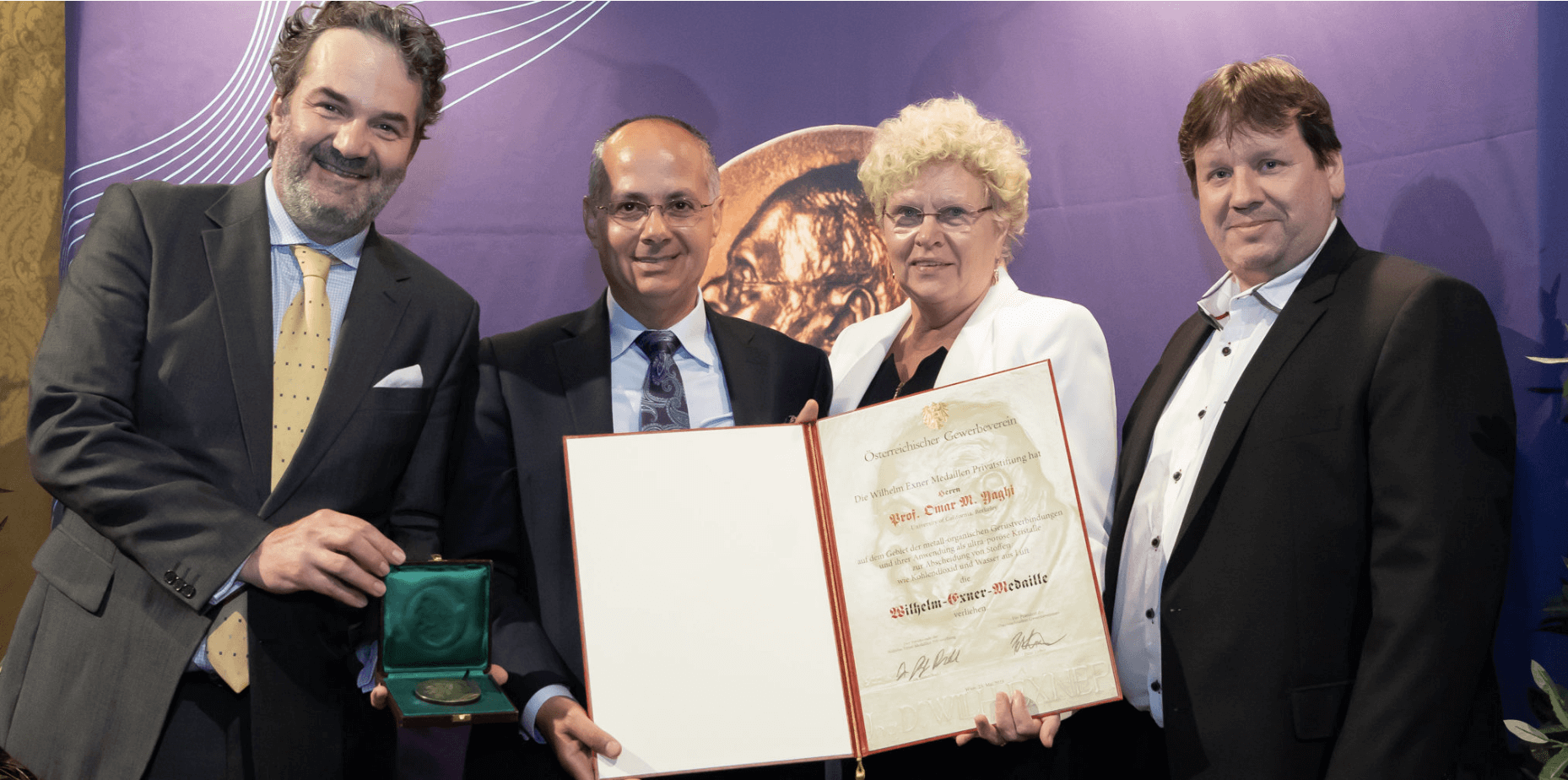
Omar Yaghi, James and Neeltje Tretter Professor of Chemistry, was recognized at the Wilhelm Exner Medal Gala in 2023 for his outstanding achievements in reticular chemistry. He has conducted research on the synthesis, structure, and properties of inorganic and organic compounds, as well as the...
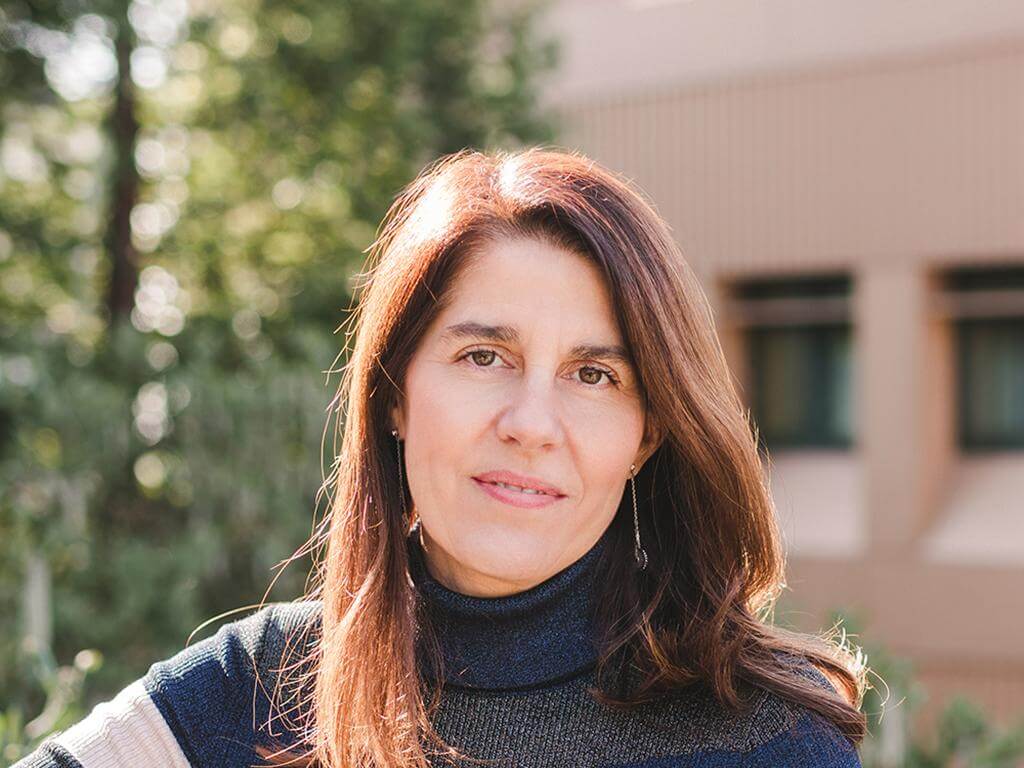
Alessandra Lanzara has been awarded the 2023 Bakar Prize, an award that aims to empower innovators and facilitate the transformation of their breakthroughs into practical and impactful solutions. Each year, the prize is awarded to former Bakar Fellows, offering additional support in transforming...
The Bakar Institute of Digital Materials for the Planet (BIDMaP) aims to develop cost-efficient, easily deployable versions of two classes of ultra porous materials – known as metal-organic frameworks (MOFs) and covalent organic frameworks (COFs) – to help limit and address the impacts of climate change.